
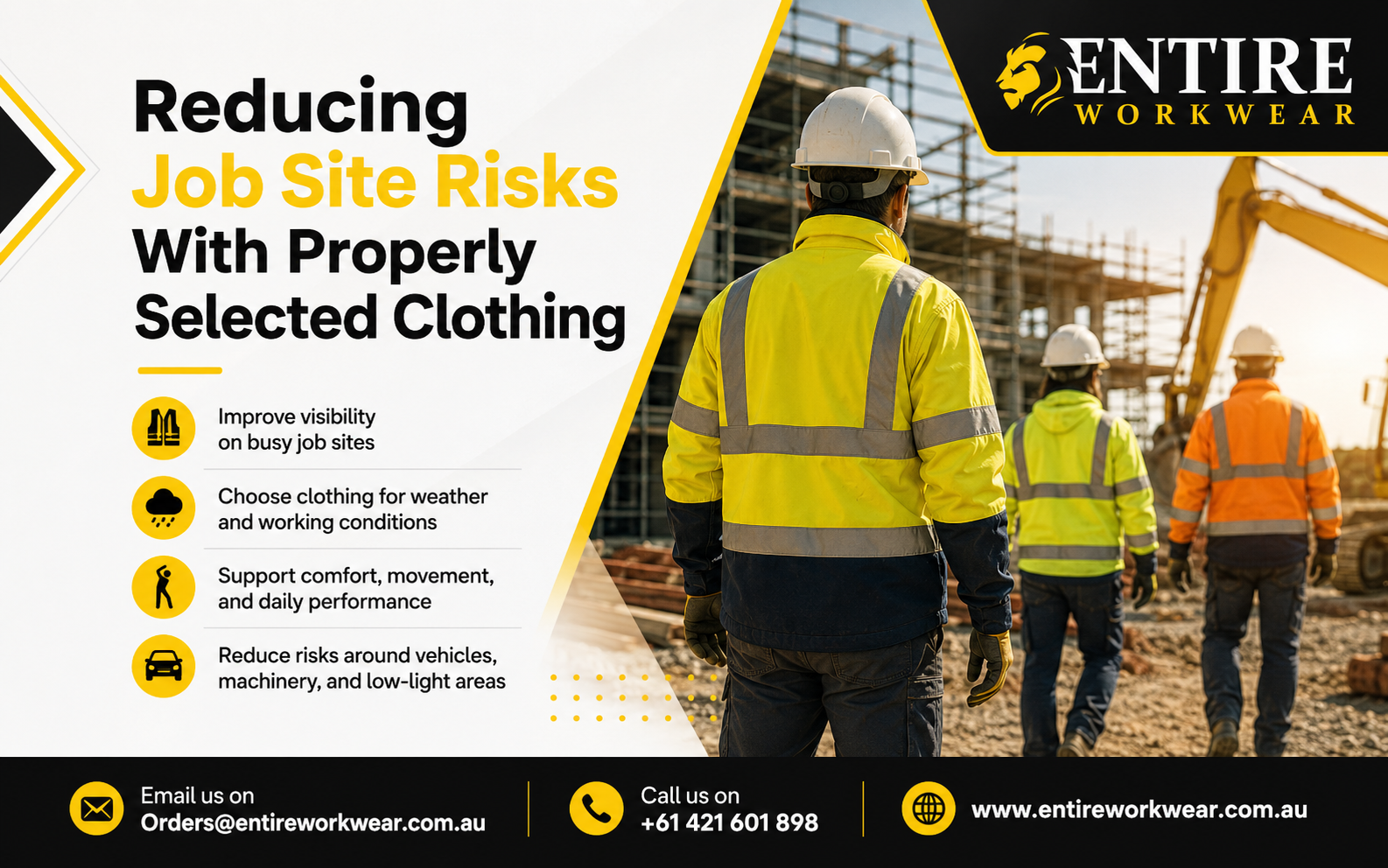
Workplace safety depends on more than equipment, warning signs, and operating procedures. The clothing worn by employees can also influence how well they are protected from common job site hazards. Selecting suitable garments can improve worker visibility, support comfort, reduce distractions, and help employees perform their duties more confidently.
For businesses looking to improve workplace safety, purchasing dependable hi vis clothing online can provide convenient access to garments designed for different industries, working conditions, and job roles. However, choosing the right clothing requires more than selecting a bright colour. Employers must consider the work environment, visibility requirements, weather, garment fit, durability, and the daily tasks employees perform.
Why Work Clothing Is an Important Part of Job Site Safety
Every job site presents a different combination of risks. Construction workers may operate around moving vehicles and heavy machinery, while warehouse employees work near forklifts, loading areas, and storage equipment. Road crews may be exposed to traffic, changing light conditions, and unpredictable weather.
Suitable work clothing helps manage these risks by making workers easier to identify and allowing them to move comfortably throughout the day. Garments that are poorly fitted, inappropriate for the weather, or difficult to see may increase the chance of incidents.
Properly selected clothing can contribute to:
- Improved worker visibility
- Better protection from sunlight and weather
- Greater freedom of movement
- Reduced discomfort and fatigue
- Easier identification of employees and site visitors
- A more consistent workplace safety culture
While clothing cannot replace training, supervision, or safe operating procedures, it is an important part of a complete risk-management strategy.
Identify the Hazards Before Choosing Garments
Before purchasing work clothing, employers should review the hazards present in each working area. A garment that suits one location may not be suitable for another, even within the same business.

Moving Vehicles and Machinery
Workers operating near trucks, forklifts, cranes, earthmoving equipment, or delivery vehicles need to remain visible to drivers and machine operators. Busy environments can contain visual distractions, blind spots, dust, noise, and changing traffic patterns.
Brightly coloured garments can help workers stand out against their surroundings. Reflective elements may also improve recognition in dim conditions, during early morning shifts, or when artificial lighting is limited.
Outdoor Weather Conditions
Employees working outside may experience strong sunlight, heat, wind, rain, or cold temperatures. Clothing should be selected according to both the job risk and the expected weather.
Long-sleeve shirts can provide greater arm coverage, while breathable materials may help employees remain more comfortable in warm conditions. Jackets, hoodies, rainwear, and layered garments can provide additional protection when temperatures fall or wet weather develops.
Low-Light Environments
Some workers perform their duties before sunrise, after sunset, inside warehouses, in tunnels, or in areas with limited lighting. Bright fabric alone may not provide enough visibility in these conditions.
Garments with reflective tape can help workers become more noticeable when illuminated by headlights or worksite lighting. Businesses should assess whether employees need clothing intended for daytime work, night work, or changing light conditions.
Dust, Dirt, and Physical Tasks
Clothing used in construction, landscaping, transport, and industrial work may be exposed to dirt, concrete, oil, grease, and repeated physical movement. Lightweight or low-quality garments may wear out quickly under these conditions.
Durable stitching, strong fabrics, secure fastenings, and reinforced areas can help clothing withstand frequent use. Selecting garments appropriate for the task can also reduce the likelihood of tearing, snagging, or premature replacement.
Choose the Right Garment Type for the Job
High-visibility garments are available in several styles. The best option depends on the employee’s duties, the length of the shift, environmental conditions, and the amount of coverage required.
Shirts
Short-sleeve shirts may be suitable for warmer environments where workers need lightweight clothing and freedom of movement. Long-sleeve shirts offer additional arm coverage and may be preferred for outdoor work.
When selecting shirts, consider:
- Fabric breathability
- Sleeve length
- Collar design
- Moisture management
- Pocket placement
- Ease of movement
- Suitability for layering
Vests
Vests can provide a quick way to improve visibility and may be useful for visitors, delivery drivers, supervisors, or employees entering a work area for a limited period.
However, a vest may not provide enough protection for workers who require sun coverage, warmth, weather resistance, or durable daily clothing. Employers should avoid treating vests as a universal solution for every role.
Jackets and Hoodies
Cooler conditions may require insulated or layered garments. Jackets and hoodies can provide warmth while maintaining worker visibility.
The garment should fit comfortably over other clothing without becoming excessively loose or restricting movement. Features such as secure pockets, strong zippers, adjustable cuffs, and weather-resistant outer materials can improve practicality.
Pants and Overalls
High-visibility pants and overalls may provide additional coverage for workers operating around vehicles or machinery. They can also help create a more consistent appearance across the body, especially when the upper garment may be partially covered.
Overalls may suit employees who require full-body workwear, while pants can be combined with shirts, jackets, or other layers according to the conditions.
Rainwear
Wet weather can quickly reduce comfort, concentration, and productivity. Rainwear should protect the employee without creating unnecessary heat or limiting movement.
Look for practical features such as:
- Water-resistant or waterproof materials
- Sealed or protected closures
- Adjustable cuffs
- Secure hoods
- Ventilation
- Sufficient room for layering
- Reflective details where required
Prioritise Visibility Without Ignoring Comfort
Visibility is essential, but employees must also be able to wear their clothing comfortably throughout the working day. Uncomfortable clothing may distract workers, restrict movement, or encourage employees to modify or remove garments.
Quality hi vis workwear should balance visibility, durability, fit, and comfort. A garment must suit the actual working conditions rather than simply meeting a basic purchasing requirement.
Fabric Selection
Fabric choice can affect temperature control, movement, weight, and durability. Lightweight materials may suit warm environments, while heavier garments may be needed for cold, abrasive, or demanding conditions.
Breathable fabrics can help reduce discomfort during physical work. Stretch panels or flexible garment construction may also support bending, lifting, climbing, and reaching.
Correct Sizing
A garment that is too tight may limit movement, while one that is too loose can create snagging risks or interfere with equipment. Businesses should provide an appropriate range of sizes rather than expecting employees to wear the nearest available option.
Workers may also need additional room for seasonal layering. A winter jacket, for example, should fit comfortably over a shirt or jumper without becoming restrictive.
Garment Design
Small design details can have a significant effect on daily use. Pocket placement, ventilation panels, fasteners, cuffs, collars, and seams should support the employee’s tasks.
Workers who regularly carry tools, radios, identification cards, or mobile devices may benefit from secure and accessible storage. However, bulky pockets or loose features should not interfere with machinery or safety equipment.
Consider the Surrounding Environment
A bright garment must contrast with the environment in which it is worn. Clothing that is easy to see in one location may blend into another background.

Employers should consider:
- Building colours
- Machinery and vehicle colours
- Natural surroundings
- Lighting conditions
- Weather conditions
- Dust or dirt accumulation
- Indoor and outdoor work areas
For example, clothing used in a warehouse should stand out against shelving, equipment, pallets, and packaging. On a road site, garments should help workers remain noticeable against traffic, signage, barriers, and surrounding vegetation.
Regular site reviews can help businesses determine whether their current clothing continues to provide suitable visibility as work areas, equipment, or operating conditions change.
Inspect and Maintain Clothing Regularly
Even well-selected clothing can become less effective when it is damaged, faded, dirty, or worn incorrectly. Employers should include garment inspection and maintenance within their workplace safety procedures.
Common Signs That Clothing Needs Attention
Garments may need cleaning, repair, or replacement when they show:
- Significant color fading
- Damaged reflective tape
- Torn seams
- Broken zippers or fasteners
- Permanent staining
- Excessive fabric wear
- Missing panels or components
- Poor fit after repeated washing
Dirt and grime can reduce the visibility of bright fabric and reflective material. Employees should follow the washing and care instructions supplied with the garment.
Establish a Replacement Process
Businesses should create a clear procedure for reporting and replacing damaged clothing. Workers should not feel pressured to continue using garments that no longer fit correctly or provide sufficient visibility.
A practical replacement system can include:
- Scheduled garment inspections
- Employee reporting procedures
- Records of clothing issued
- Replacement stock for common sizes
- Guidance on washing and storage
- Supervisor checks in high-risk work areas
Involve Employees in the Selection Process
Workers use their clothing every day and can provide valuable feedback about comfort, fit, durability, and practicality. Involving employees in garment selection can help businesses avoid purchasing items that look suitable but perform poorly during real tasks.
Ask employees whether the clothing:
- Restricts movement
- Becomes excessively hot
- Provides enough storage
- Works well with protective equipment
- Remains comfortable throughout the shift
- Is suitable for different weather conditions
- Maintains its shape after washing
Trialing a small number of garments before placing a larger order may help employers identify sizing or design issues early.
Coordinate Clothing With Other Protective Equipment
Work clothing should function correctly alongside any personal protective equipment required for the role. This may include helmets, gloves, protective eyewear, hearing protection, harnesses, respirators, or safety footwear.
Garments should not cover essential reflective areas, interfere with harnesses, prevent gloves from fitting properly, or create excess material near moving equipment.
Employers should assess the complete clothing and equipment combination rather than evaluating each item separately. Workers should also be trained to wear, adjust, and layer their garments correctly.
Avoid Common Clothing Selection Mistakes
Choosing workplace clothing based only on price or appearance can lead to poor performance and frequent replacement.
Common mistakes include:
- Ordering one garment style for every job role
- Ignoring seasonal weather changes
- Selecting incorrect sizes
- Choosing garments without considering mobility
- Failing to assess low-light conditions
- Purchasing clothing that conflicts with other equipment
- Replacing garments only after serious damage occurs
- Focusing on initial cost instead of long-term durability
- Failing to collect feedback from employees
A better approach considers the total value of the clothing, including comfort, expected lifespan, ease of maintenance, and suitability for the work environment.
Build a Consistent Workwear Policy
A written clothing policy can help employees understand what garments are required, when they must be worn, and how they should be maintained.
The policy may cover:
- Approved garment types
- Requirements for different work areas
- Seasonal clothing options
- Employee and employer responsibilities
- Cleaning and care instructions
- Inspection schedules
- Damage-reporting procedures
- Replacement guidelines
- Rules for visitors and contractors
Training should explain why the clothing is required rather than simply instructing workers to wear it. When employees understand the risks being managed, they may be more likely to follow the policy consistently.
Why Choose Entire Workwear?
Entire Workwear provides businesses and workers with access to practical work clothing suitable for a range of industries and working environments. Customers can explore hi vis clothing designed to support visibility, comfort, durability, and everyday performance. Shopping through Entire Workwear makes it easier to compare garment types, sizes, and styles in one place, helping employers create consistent uniforms for individuals or larger teams. With options for different weather conditions and worksite requirements, Entire Workwear is a convenient choice for Australian businesses seeking dependable clothing for demanding jobs.
Conclusion
Reducing job site risks requires a combination of planning, training, supervision, equipment, and appropriate clothing. Employers should select garments according to the hazards employees face, the conditions in which they work, and the movements their roles require.
The most effective clothing is visible, comfortable, durable, correctly fitted, and suitable for the surrounding environment. It should also be inspected regularly, maintained according to care instructions, and replaced when it becomes damaged or ineffective.
By assessing job roles carefully and involving employees in the selection process, businesses can make better purchasing decisions and create a safer, more professional workplace. Properly selected clothing does more than improve appearance it supports awareness, confidence, and protection throughout the working day.